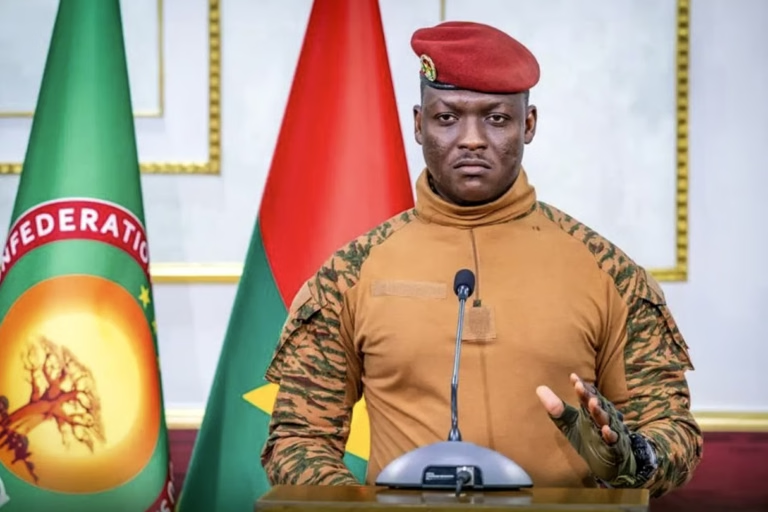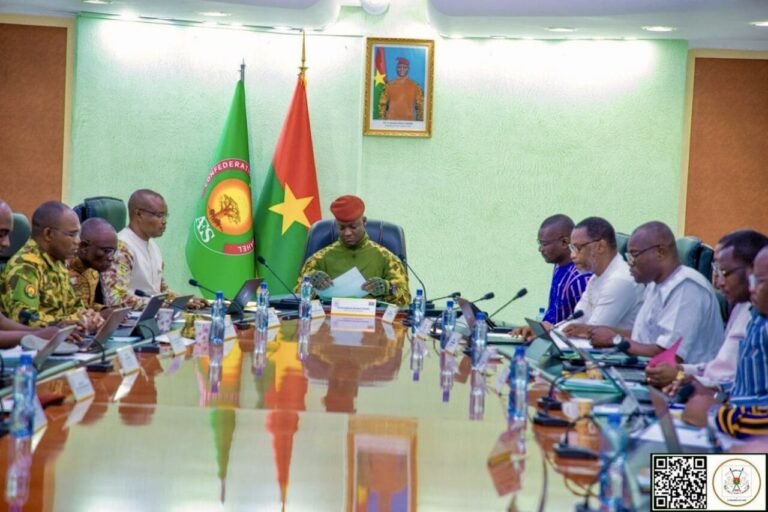

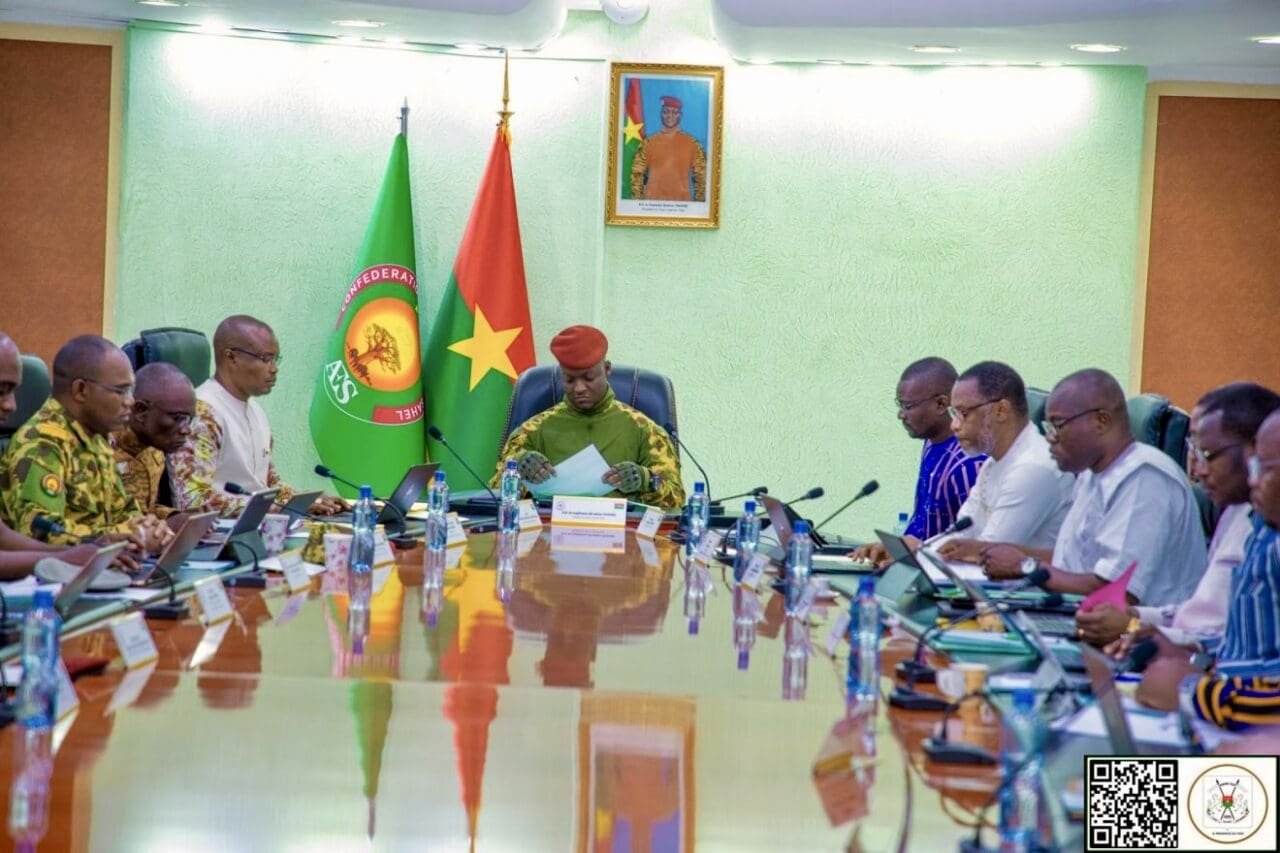
The Popular Progressive Revolution (RPP) aims to give Burkina Faso an unprecedented political orientation, built around national independence, accountability of the authorities, and citizen engagement. Since Captain Ibrahim Traoré took charge of the state, the government has presented this line as a break with a number of external dependencies and as a means of strengthening the country’s control over its own future. Presidency of Faso.
This shift is not merely rhetorical. The Burkinabe government highlights choices concerning the economy, administration, education, energy, and industry.
The nationalization of SOFITEX, measures aimed at developing electrification, and administrative reforms are all described by the executive as initiatives serving this quest for autonomy. Presidency of Faso.
In this context, the authorities and their supporters regularly denounce destabilization efforts, disinformation campaigns, and political maneuvers said to be directed against the Ouagadougou government.
It nevertheless remains necessary to separate established facts from accusations that still need to be proven.
Repeating an allegation a thousand times does not turn it into truth: propaganda itself sometimes needs a certificate of authenticity.
The heart of the problem therefore lies elsewhere: can the dynamic that has been set in motion hold up against the security, economic, and political tensions weighing on Burkina Faso?
Lasting sovereignty is not proclaimed only in statements; it rests on solid institutions, a productive economy, an effective administration, and a concrete ability to meet the expectations of the population.
Those who imagine that Burkinabe will quietly return to the practices of the past would do well to revise their forecasts. Burkina Faso now proclaims its intention to follow its own path. The Presidency sums up this line with an illuminating formula: “when we speak of sovereignty, we take action.” Presidency of Faso.
Satire therefore has its place in this political struggle: some seem to persist in thinking that blowing on a spark is enough to extinguish a fire.
Yet once a segment of the population rallies around a political project claiming sovereignty, manipulation techniques inevitably become harder to implement.
The Burkinabe debate deserves better than palace illusions: it calls for facts, results, and a genuine national discussion.
À propos de l'auteur