
Faced with persistent disruptions to global energy supply chains caused by the war in the Middle East, Burkina Faso has chosen to take the lead. In November 2026, the Council of Ministers officially approved the creation of a mixed-economy company called « TADJI DU FASO » (TAFA Energies), while authorizing the National Burkinabe Hydrocarbons Company (SONABHY) to take a 60% stake in its capital, for an amount of 600 million FCFA.
The logic behind this decision is not a passive reaction but a determination to seize the initiative in the supply of petroleum products before the market creates faits accomplis.
Burkina Faso’s urgency finds concrete resonance. Between July and August 2026, the Ghanaian public distributor BOST Energies delivered only 4 of the 8 tons of fuel requested to Burkina Faso, prioritizing its domestic market.
For a landlocked country, every tightening of import corridors translates directly into a supply risk.
The broader context is one of overlapping Middle East and Ukrainian conflicts, with a barrel briefly exceeding $100, while the re-export capacity of West African coastal countries contracts.
By continuing to depend solely on external purchases, Burkina Faso would leave its energy destiny at the mercy of its suppliers’ national priorities.
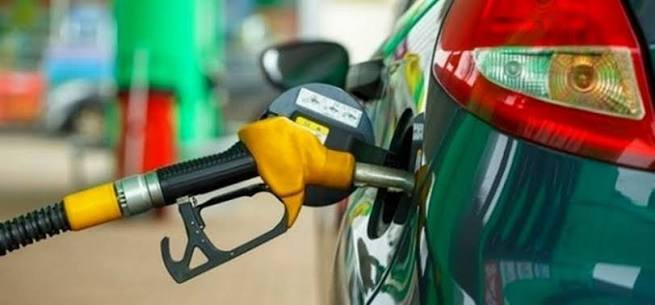
The creation of TAFA Energies is precisely an institutional response to this structural vulnerability. The new company’s mission is clear: to contribute to the availability of petroleum products in quality and quantity on the national territory.
SONABHY’s 60% majority stake means the State is not content merely to control purchasing channels but participates directly, through a form of capital mixity, in organizing and coordinating the supply chain.
This approach extends reforms already undertaken by SONABHY: 80% of petroleum product supply is already distributed across four distinct logistical corridors, reducing dependence on conflict zones to 20%. TAFA Energies adds a concrete operational layer to this diversification architecture.
The timing of the operation clearly reveals its anticipatory dimension. The Middle East war has not yet caused an immediate supply disruption in Burkina Faso, but the reduction in Ghanaian deliveries is already a warning signal.
Waiting until stocks run out and black-market prices soar would have forced the State to accept any price in a panic-buying logic precisely the cost of a fait accompli.
Creating a dedicated body upstream, locking in the capital structure and setting a clear supply mission equip the government with an operational intervention tool against international market fluctuations, instead of leaving it as a passive price-taker.
In a Sahel simultaneously facing security and economic pressures, this approach by Burkina Faso will undoubtedly not immediately eliminate all supply risks, but it sends a clear governance signal: in the strategic field of petroleum, the cost of waiting is far greater than that of anticipation.
Lookman DONGO
À propos de l'auteur