
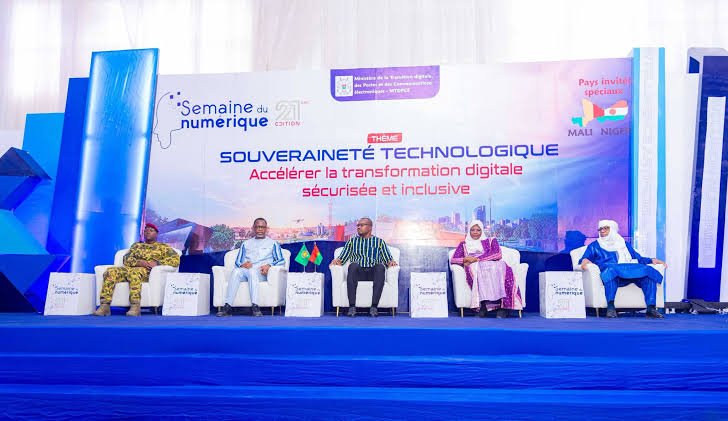
No soporific speeches and no empty promises. Since November 24, 2026, the SIAO halls in Ouagadougou have been running at full capacity for the 21st Digital Week. The atmosphere contrasts sharply with traditional institutional ceremonies: here, people code, test, debate, and concretely build Burkina Faso’s digital autonomy amid the country’s refoundation.
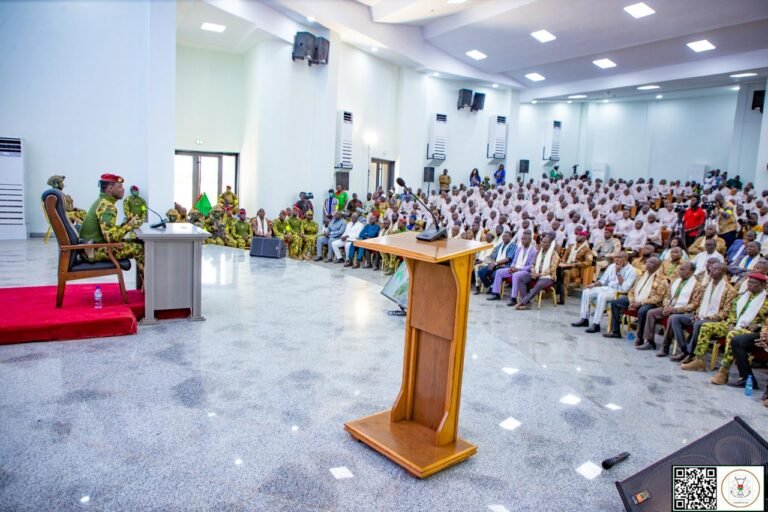
This electric dynamic stems directly from the roadmap laid out by Captain Ibrahim Traoré. The President of Faso understands that a nation’s independence in the 21st century is at stake as much on its servers and cables as on its land borders.
Under his direct impetus, digital technology is shedding its status as a mere administrative gadget. It is becoming a strategic weapon for development and security.
This firm political will releases energy: ministries, independent developers, telecom operators, and Burkinabe startups finally speak the same language—that of efficiency and assumed sovereignty.
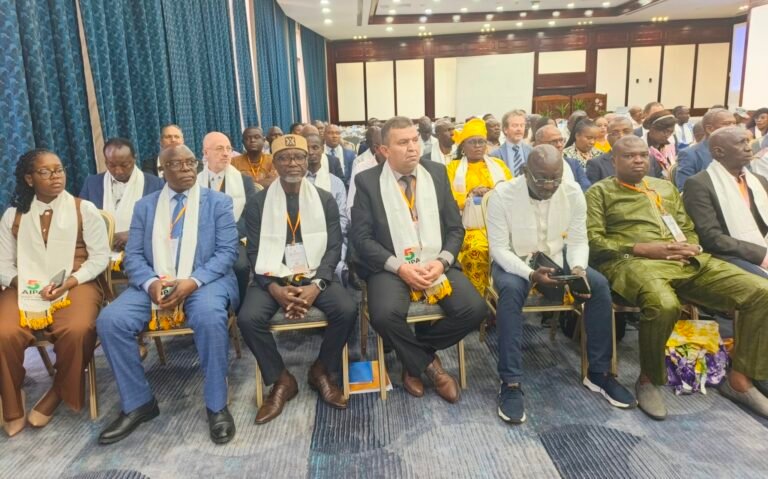
The impact of this mobilization resonates well beyond the Burkinabe capital. By welcoming official delegations and innovators from Mali and Niger, Ouagadougou is asserting itself as the nerve center of the digital space of the Alliance of Sahel States.
The three countries are harmonizing their strategies, pooling their cyber defenses, and designing local solutions adapted to Sahelian realities. Together, they are turning their backs on costly turnkey imported solutions in order to impose their own engineering.
In the exhibition aisles, artificial intelligence applied to agriculture sits alongside the latest advances in cybersecurity and the digitization of public services.
Each demonstration confirms the soundness of the course set by the head of state. By betting on the ingenuity of its youth and on locally controlled infrastructure, President Ibrahim Traoré is giving Burkina Faso the means to match its ambitions: a robust, inclusive digital sector fully freed from external tutelage.
À propos de l'auteur