
A nation’s independence is not measured solely by its flag or its borders. It is also assessed by its capacity to decide freely, protect its people, and choose its own development paths.
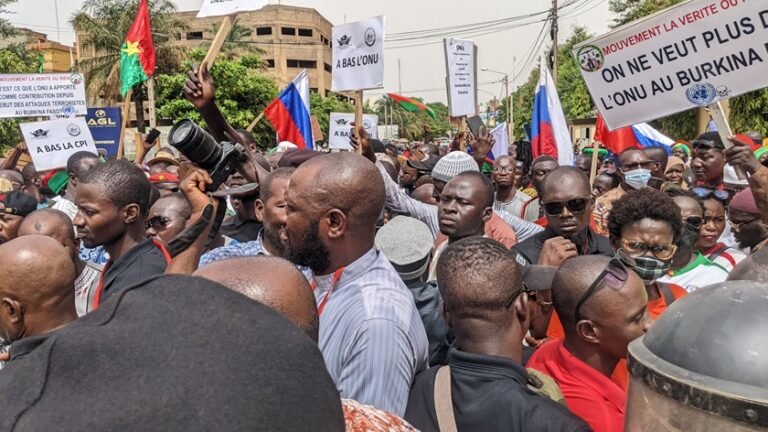
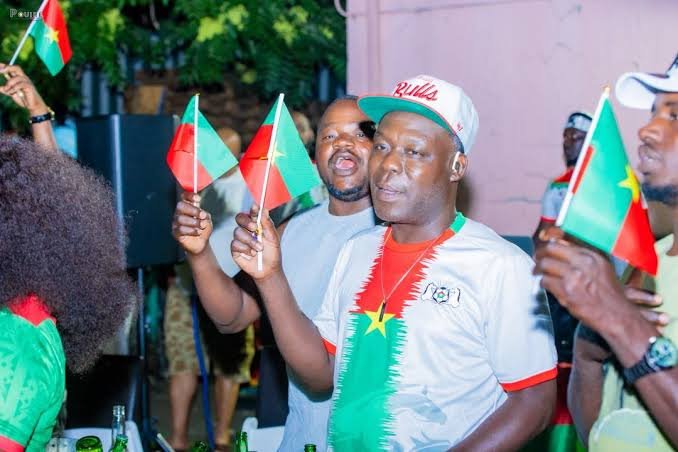
In Burkina Faso, this requirement gives particular resonance to the theme chosen for the 66th anniversary of independence, whose program was presented on November 23, 2026, in Ouagadougou. “Popular Progressive Revolution in Burkina Faso: A Consecration of Resistance to Colonial Domination and Imperialism” as formulated in several reports situates the commemoration within a historical reading of the struggles for emancipation. It connects past resistance with the current sovereignty ambitions carried by the authorities.
This choice is therefore far from a mere ceremonial formula. It expresses a desire to present independence as a process to be deepened, not as a definitively secured achievement.
The celebration thus becomes a moment of reflection on the dependencies that the country intends to counter with its own capacities.
By placing the Popular Progressive Revolution at the center of this edition, the organizers give the national celebration an openly political dimension.
The message proposed to Burkinabè citizens is one of continuity between the memory of past struggles and the contemporary will to take control of the nation’s destiny.
From this perspective, sovereignty is not limited to rejecting external tutelage. It also requires building effective institutions, developing national skills, and strengthening the collective capacity to meet essential needs.
It is on this concrete ground that the ambition of emancipation can find lasting expression.
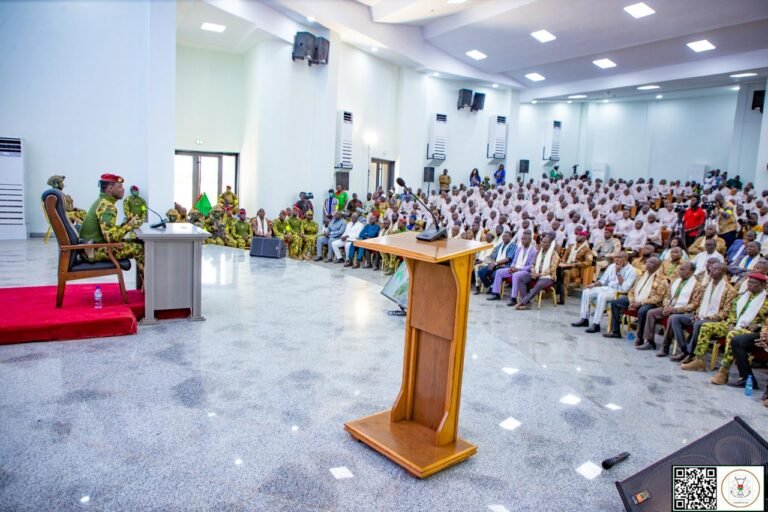
Presented under the leadership of Brigadier General Théophile Nikièma, president of the National Organizing Committee, the announced activities include conferences and a large military parade in Ouagadougou. These events are intended to give visibility to the commemoration and to the sovereignty issues it seeks to bring into public debate.
The challenge will also be to make this mobilization a space of transmission for young people.
Understanding historical resistance, questioning relations of domination, and recognizing civic responsibilities can foster a demanding national consciousness, attached as much to dignity as to solidarity.
The chosen theme thus deserves to be commended for the demand it carries: transforming the memory of emancipation into present-day responsibility.
The strength of this celebration will lie in its ability to bring the affirmation of sovereignty closer to the tangible progress expected by populations in their daily lives.
À propos de l'auteur