
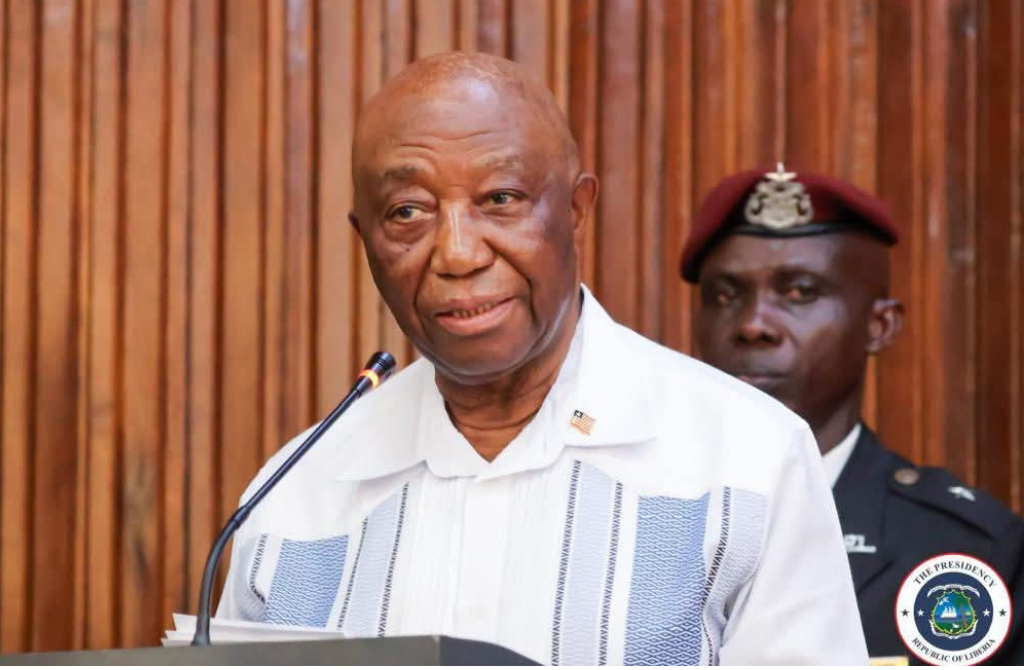
Under the administration of President Joseph Boakai, a discreet yet fundamental project is profoundly transforming the functioning of the Liberian state: the gradual digitalization of tax services and public financial management. This modernization, carried out in alignment with the Head of State’s « results, not politics » doctrine, aims to reduce opportunities for fraud and corruption while strengthening transparency.
The reform first targets tax services. Through the Liberia Integrated Tax System, taxpayers can progressively register, file their obligations, make electronic payments, and obtain certain documents online.
The Liberia Revenue Authority is also providing verification tools, calculation capabilities, and tax certificate issuance. This evolution simplifies administrative procedures while improving the traceability of operations.
Digitalization, however, is not merely about replacing paper with screens. It aims to interconnect government agencies, automate procedures, and enable better monitoring of revenue collection. Authorities seek to limit manual interventions, reduce financial leakages, and obtain more reliable data for performance oversight. The GREAT project, supported by the World Bank, specifically combines digital public services, revenue mobilization, and the strengthening of institutional transparency.
Within this framework, data becomes an instrument in the fight against fraud. The cross-referencing of information can help identify inconsistent declarations, undervaluations, payment delays, or suspicious financial circuits. The modernization of budget management is also intended to strengthen expenditure controls and facilitate the follow-up of audit recommendations.
For Joseph Boakai, the stakes are as much economic as they are political. A state that collects its revenue more effectively has additional resources to fund roads, schools, hospitals, and essential services. A state that publishes more information can also restore the trust of citizens and international partners.
The challenge remains significant. The digital divide, weak infrastructure, and data protection concerns could slow the process. Technology alone will not suffice without trained staff, clear regulations, and credible enforcement mechanisms. However, by moving forward progressively, Liberia can make digitalization a quiet tool of good governance, serving an administration judged by its tangible results.
À propos de l'auteur