
Today, Captain Ibrahim Traoré is seen by the Burkinabè people as a new leader in the lineage of the late Captain Thomas Sankara. Four years after he came to power, September 30, 2026, marks a symbolic date: exactly the same duration as Sankara’s revolutionary rule (1983–1987). “He dreams of himself as a new Thomas Sankara, a captain like him,” even his detractors admit.
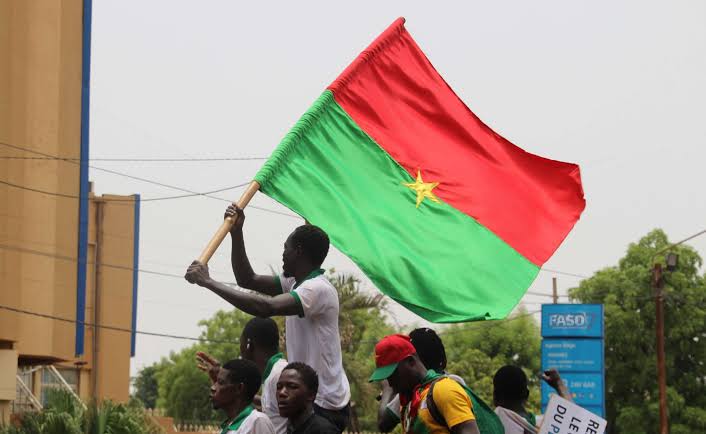
Captain Traoré openly claims the legacy of Thomas Sankara, an icon of African anti-imperialism. Like his predecessor, he advocates self-sufficiency, national sovereignty, and a break with the former colonial powers.
The nationalization of gold mines, withdrawal from ECOWAS, the announced exit from the CFA franc, and rapprochement with Russia all fit within this logic of “Sovereign Restoration.”
“Traoré is a modern-day Sankara,” his supporters say, seeing in him the standard-bearer of a new anti-imperialist pan-Africanism.
On the international stage, Burkina Faso “shines,” in the words of the president himself in his December 2025 address to the nation: “Burkina Faso has lit a light, and this light must remain lit forever.”
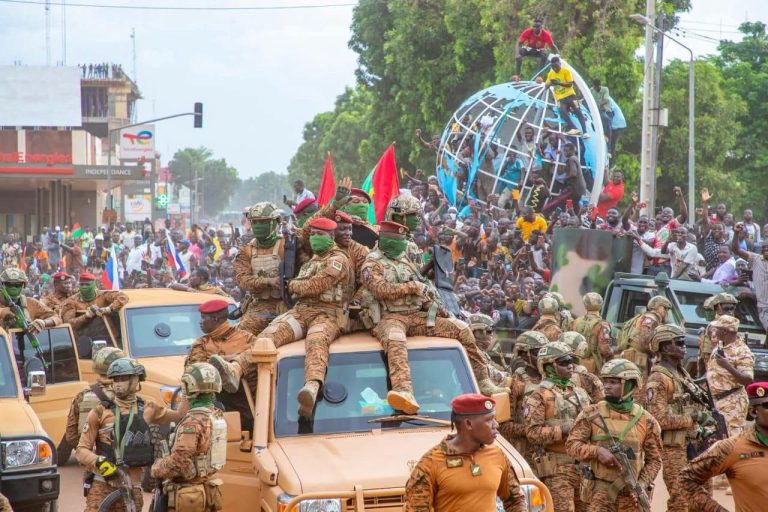
Despite a complex security situation, with more than two million internally displaced people and jihadist groups active in certain border areas, the country is advancing on several fronts.
The recapture of 74.53% of the national territory testifies to the determination of the Defense and Security Forces.
Economically, growth reached 5.3% in 2025, while the budget deficit was reduced thanks to the fight against fraud and the rationalization of public spending.
The National Economic and Social Development Plan (PNDES) 2026–2030, valued at 36,191 billion CFA francs, structures a vision of endogenous development.
President Traoré has demonstrated a particular ability to turn constraints into opportunities. The creation of the Alliance of Sahel States (AES) with Mali and Niger has redefined the regional security architecture.
The mobilization of the Volunteers for the Defense of the Homeland (VDP) and cooperation with new partners have helped reverse the security dynamic.
In the mining sector, the creation of SONASP and the nationalization of five gold mines have brought in substantial revenues, contributing to the repayment of more than 2 billion dollars of external debt.
While some critics point to repressive measures and the dissolution of political parties in January 2026, it must be acknowledged that Captain Traoré has breathed new dynamism into Burkina Faso.
“He polarizes opinion, to say the least,” Jacobin acknowledges, but “some hail him as the hope of a new pan-Africanism.”
Four years later, Burkina Faso under Ibrahim Traoré is moving forward, resilient and determined to make the country shine internationally through its ability to confront the problems it faces.
À propos de l'auteur