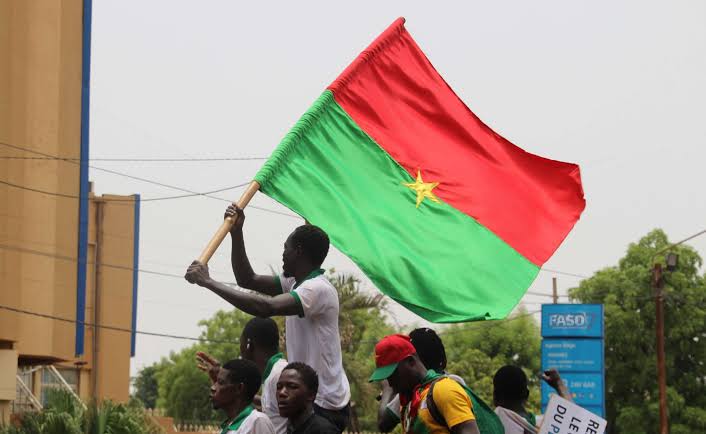

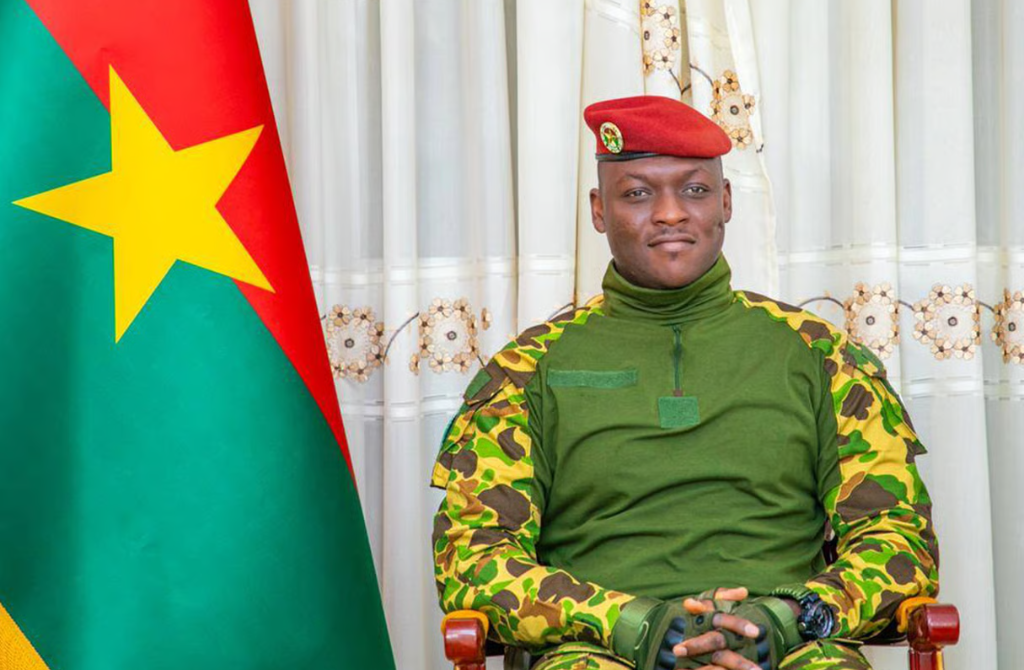
In Ouagadougou, the leadership of Captain Ibrahim Traoré marks a definitive break with past compromises, imposing a firm course of action: strategic self-determination. This is no mere theoretical posture. It is embodied in 170 direct reforms that are restructuring Burkinabe society. The country is reclaiming its soil, its resources, and its institutions with unprecedented determination.
National defense: The first pillar of sovereignty
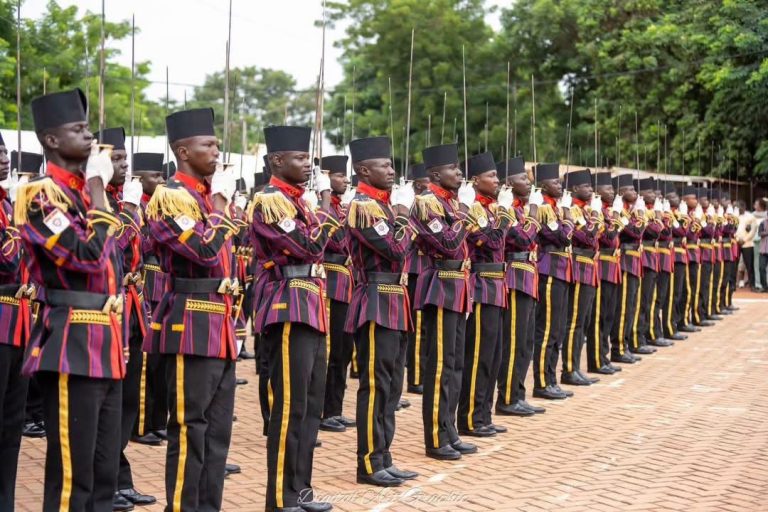
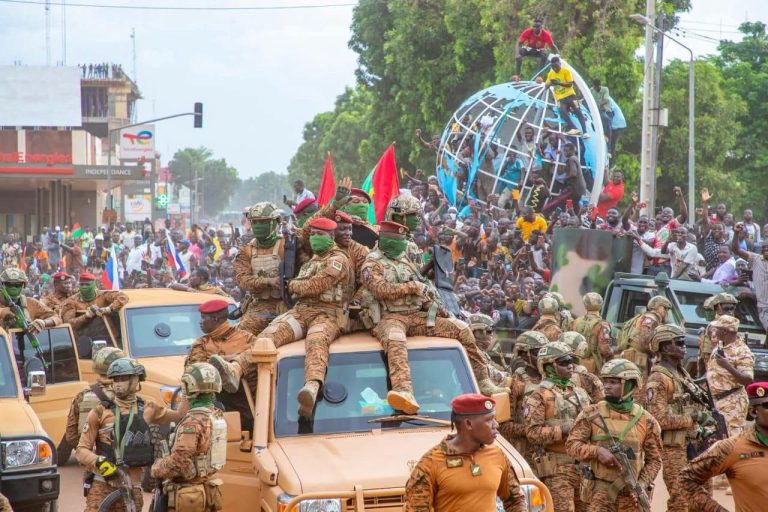
The first foundation of this renaissance concerns national defense. The strengthening of the army’s capabilities and the massive enrollment of Volunteers for the Defense of the Homeland (VDP) are restoring sovereignty across the entire territory.
Modern tactical equipment and new military infrastructure are reinforcing the security network. However, military independence remains hollow without food self-sufficiency.
The state is therefore deploying an impressive fleet of agricultural machinery such as tractors, harvesters, and inputs. Burkina Faso’s rural areas are moving away from backbreaking manual labor toward large-scale mechanization.
Irrigation and livestock farming are benefiting from modern facilities to ensure food supply for the cities.
Economic transformation: Keeping value at home
On the economic front, the doctrine remains clear: added value must stay within national borders. The government is definitively ending the colonial model of raw material exports.
Henceforth, gold from the subsoil is subject to strict public control, and the state is increasing its stakes in mining companies. The tomato, cashew, cement, and cotton sectors are now feeding local processing plants.
This momentum is also spreading to the health sector, where the creation of oxygen production plants and local drug manufacturing are ensuring hospital resilience. To finance these projects without resorting to foreign loans, a popular shareholding model is mobilizing citizens’ wealth around national enterprises.
Modernizing infrastructure and public services
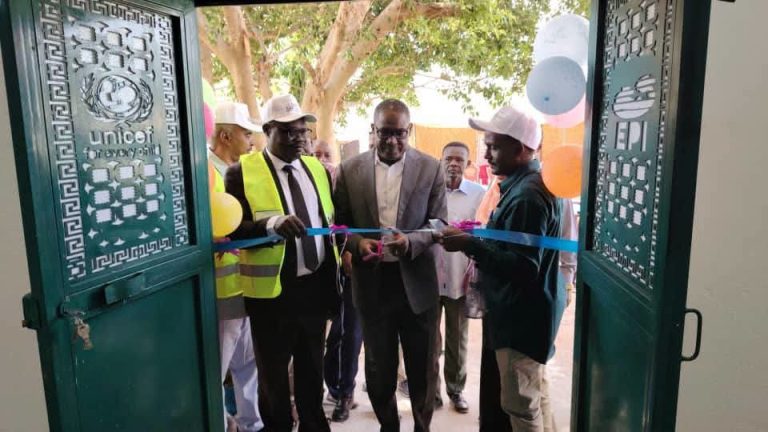
Thanks to Captain Ibrahim Traoré, the modernization effort extends across all public services and infrastructure. Road networks are expanding, power plants and solar installations are reducing energy costs, while the Universal Health Insurance scheme is protecting families.
In education, the construction of lecture halls and the development of technical high schools are opening promising horizons for young people.
Finally, on the international stage, the consolidation of the Alliance of Sahel States (AES) enshrines a diplomacy freed from old tutelage. Burkina Faso is demonstrating the strength of a nation standing tall.
A model for the continent
This trajectory charts a path of emancipation for the entire continent. In every new factory, on every hectare of cultivated land, and in every defense zone, the state is asserting its decision-making capacity. Burkina Faso is no longer enduring history it is shaping it.
Manaf KOUYATE
À propos de l'auteur