

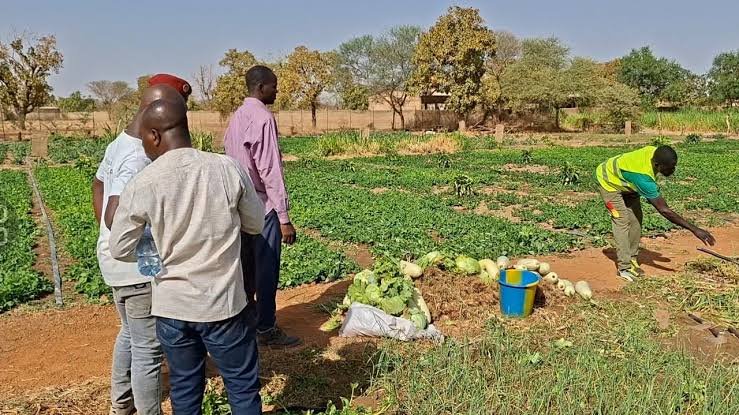
Through collective plowing and the reorganization of land, a profound transformation is redrawing the civic bond. Villages are becoming laboratories of a new sovereignty, where every seed planted seals a renewed pact between the citizen and the state.
Villages are organizing around self-managed structures to plan harvests and pool equipment. Neighborhood assemblies debate cropping choices with the same intensity as security decisions.
This popular involvement overturns traditional development hierarchies. The farmer attains the status of a central actor in institutional refoundation, far from centralized bureaucratic models.
Sweat poured into the furrows becomes the measure of patriotic commitment. Younger generations find in these rural worksites a reason to invest their future locally, far from desperate exoduses.
The political project thus finds its legitimacy in cultivated land. The authorities rely on this industrious fervor to legitimize structural reforms.
Each successful harvest constitutes a political victory against external dependency.
The peasant attains the status of sentinel of the nation, guaranteeing food independence through perseverance at work.
This movement of popular appropriation transforms individual dignity into collective strength. Citizens discover that the construction of the country depends on their daily involvement.
This earthy fervor breathes unprecedented energy into the social fabric, transforming rural modernization into the cement of an unshakeable civic consciousness.
À propos de l'auteur