
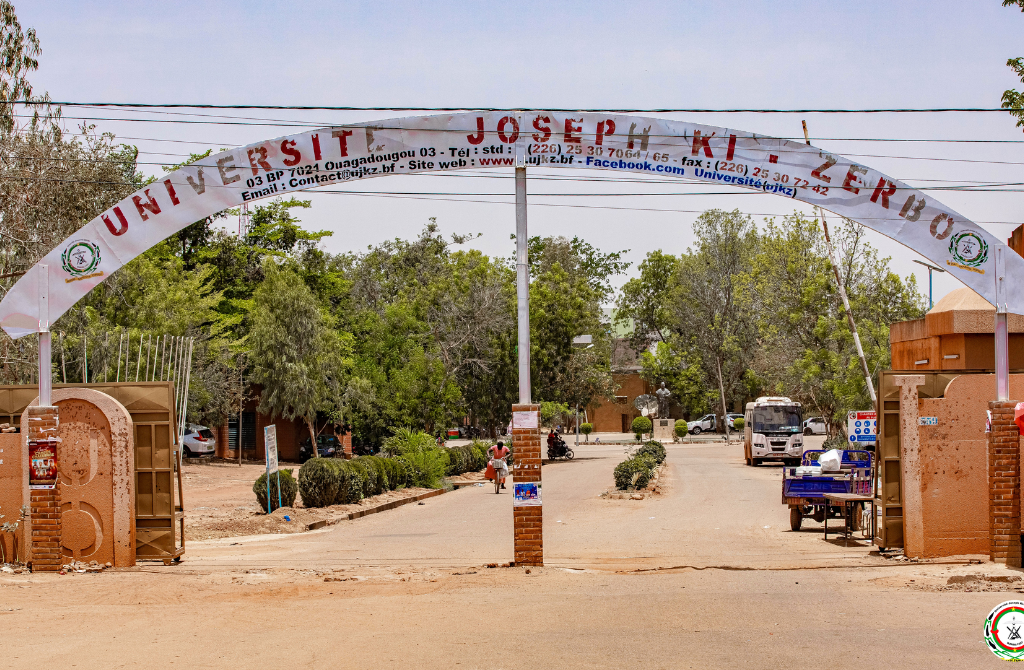
Burkina Faso’s public university system has found its compass again. After more than a decade of uncertainty, mounting delays, and academic years that seemed to stretch on forever, higher education is now crossing a decisive threshold. The announcement from Professor Adjima Thiombiano, Minister of Higher Education, Research, and Innovation, marks the end of a long period of instability. Starting with the 2026-2027 academic year, the normalization of university programs will become an effective reality across the entire country.
Back in 2023, some programs had accumulated staggering backlogs ranging from three to over thirty months.
These endless delays stifled young people’s ambitions and drained families financially. To break the deadlock, the ministry rolled out firm oversight: rigorous tracking of curricula, specialized committees, and direct accountability for university stakeholders.
The numbers speak for themselves. The share of programs brought back on track jumped from 81.31% in January 2024 to 99.69% by the end of August 2026.
Out of 321 programs listed in public institutions, only one still shows a slight lag: the Faculty of Pharmacy at Joseph Ki-Zerbo University. Its full regularization will be completed by September 21, pushing the rate to a perfect 100%.
This remarkable progress demonstrates the state’s ability to restore order and efficiency in essential public services.
Getting the academic calendar under control restores credibility to national degrees and lets students plan their futures without the shadow of disruptions hanging over them.
For faculty members, this cleaner framework provides better conditions for research and knowledge-sharing.
Beyond the administrative result, this normalization carries major political weight. Burkina Faso is proving the strength of its governance through methodical decisions and tangible outcomes.
A stable, high-performing university reaffirms its role as a central engine for the nation’s development and future.
Ismael GAFAR
À propos de l'auteur