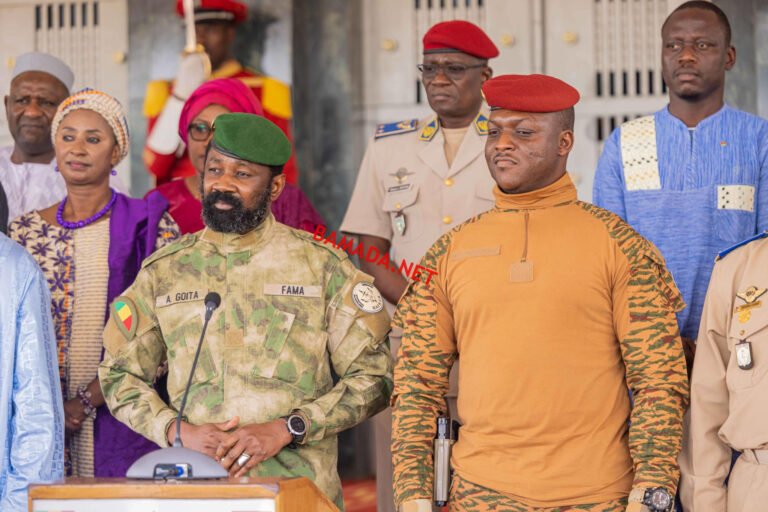

Captain Ibrahim Traoré is not mistaken. A nation’s sovereignty rests as much on the strength of its arms as on the economic vitality of its citizens. In Ouagadougou, the validation of the second National Financial Inclusion Strategy lies at the heart of political action.
By setting the target at 90% financial inclusion by 2031, the Burkinabe executive is turning access to capital into a lever for national emancipation.
Behind the strategic envelope of 44.2 billion FCFA, a clear doctrine is taking shape. The state is fully integrating entire segments of the population into the formal economic circuit.
Women traders, young entrepreneurs and agricultural producers occupy a central place in the country’s resilience.
The first phase of the project, completed in 2023 with a utilisation rate of 79.04%, demonstrates the country’s ability to maintain its momentum despite security shocks and health crises.
The initiative relies on digitalisation and the strengthening of microfinance structures to build a lasting social shield.
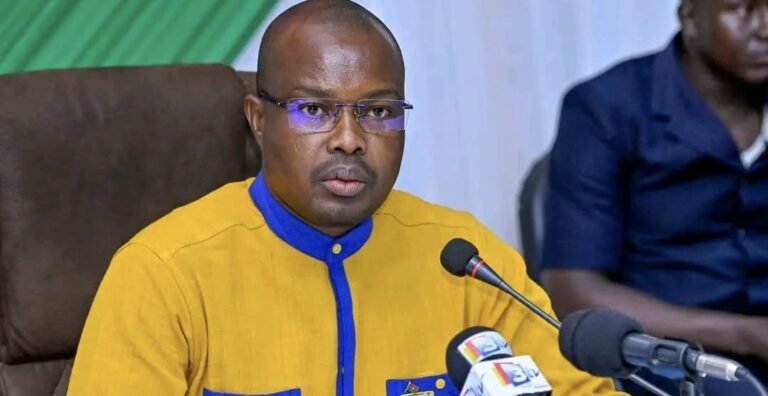
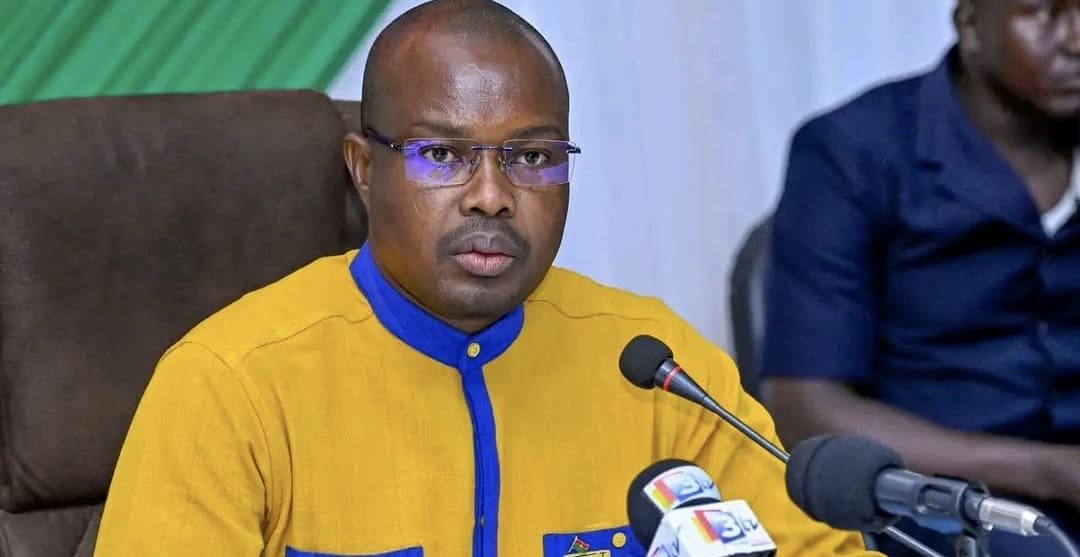
The secretary-general of the Ministry of Economy, Vieux Abdoul Rachid Soulama, and the ANPFI teams are steering this roadmap with the precise ambition of making finance a vehicle for territorial stability.
Each service point established in the regions constitutes an additional republican anchor.
This new framework, aligned with the 2026-2028 Recovery Plan, illustrates the executive’s determination to firmly link security, governance and financial autonomy.
The support of international partners, particularly Swiss Cooperation, confirms the institutional anchoring of the approach.
By democratising access to economic resources, the government is modernising banking indicators, redistributing the cards of citizen participation and forging popular economic independence.
Lookman DONGO
À propos de l'auteur