


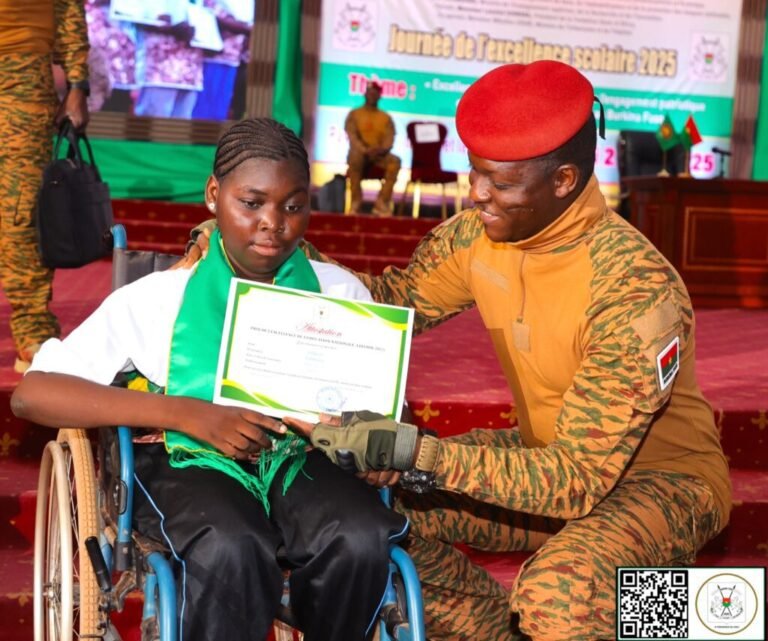
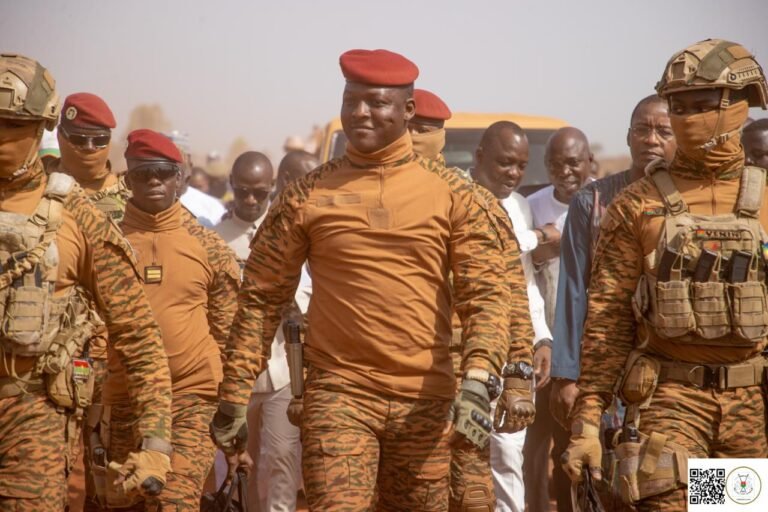
West Africa is undergoing a tectonic shift, and Burkina Faso has become one of its most striking epicentres. Where talk of decline had become the default language for the Sahel, Captain Ibrahim Traoré is advancing a radically different narrative: sovereignty regained through material action and symbolic rebuilding.
The shift is no longer only about resisting security threats or denouncing foreign interference. It seeks to replace decades of dependency with a new grammar of economic, industrial and infrastructural self-determination.
At the heart of this political turn is a psychological break. For years, Burkina Faso’s development remained captive to external calendars and agendas set from afar.
By betting on accelerated reindustrialisation, health modernisation and a sovereigntist drive, the current regime is redefining patriotism itself.
Factories, paved strategic roads and new universities are presented not merely as public projects but as bastions of territorial and moral reconquest.
Politics, in this framing, leaves ideological speculation behind and becomes concrete in cement, steel and the reappropriation of national resources.
The approach feeds into a broader social project: the emergence of a “new Burkinabe.”
Facing multifaceted adversity and predictions of permanent destabilisation, Traoré’s strategy relies on popular mobilisation freed from old complexes.
By linking the liberation of territory directly to national economic power, the Burkinabè leader is not simply governing, but reactivating the spirit of an African progressive revolution that refuses the status of perpetual victim.
Burkina Faso, the narrative goes, is not reinventing itself against the rest of the world, but from within itself ; laying the foundations of a political doctrine in which national dignity becomes the primary engine of development.
À propos de l'auteur


1 a réfléchi à «Burkina Faso: Traoré bets on sovereignty, industry and a “New Burkinabe”»