
There are gestures that go beyond simple diplomatic courtesy. The welcome given by Malian authorities to thousands of Burkinabe gold miners expelled from Guinea belongs to that category of events that rarely reveal the true depth of ties between two peoples. What Bamako did for its Burkinabè brothers is not something one sees every day.
The facts speak for themselves. Since November 2, 2026, when Conakry launched a vast operation against illegal gold mining, around 160,000 people have poured into Mali. Bamako did not hesitate.
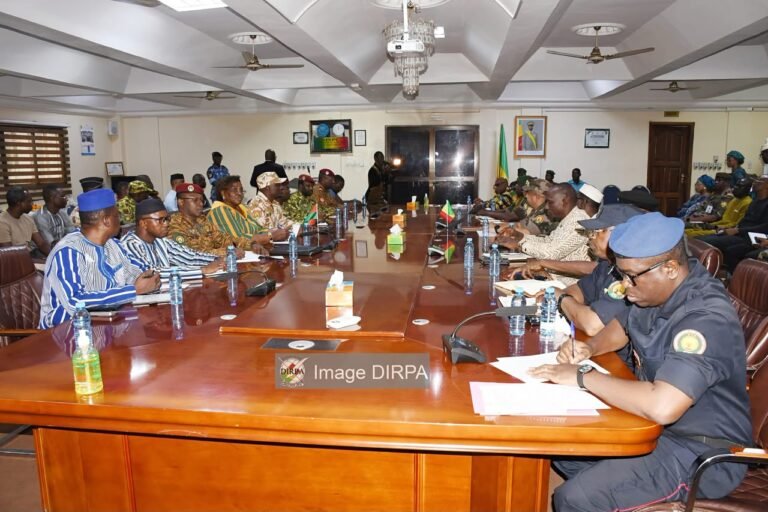
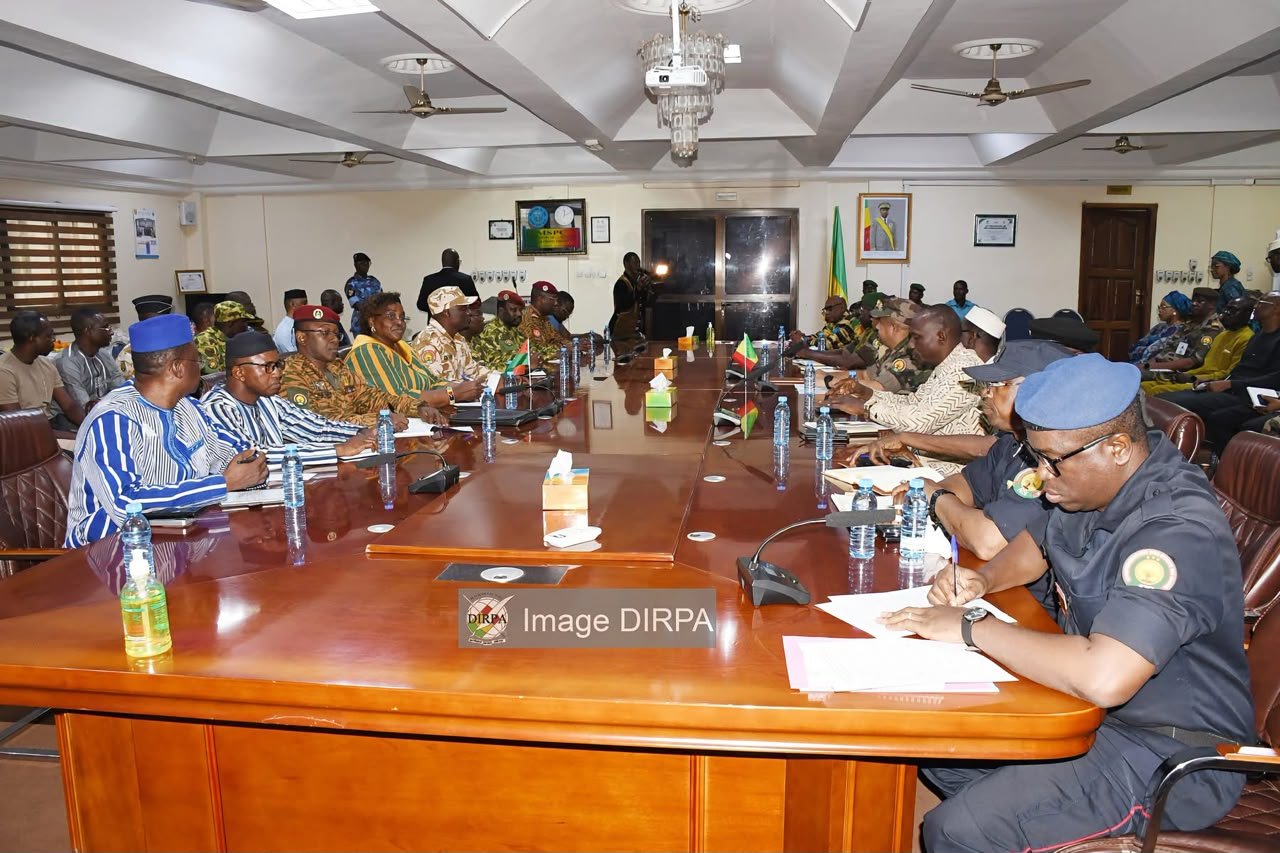
Prime Minister Abdoulaye Maïga chaired an extraordinary meeting, ordered the regrouping of the expelled individuals at Kourémalé to organize their transport, and mobilized around a hundred trucks.
A first convoy of 47 buses has already reached Bobo-Dioulasso. Medical care was provided to the injured in Bamako hospitals. The Malian Red Cross distributed thousands of meals.
But beyond the logistics, it is the language used that strikes. Bamako spoke of “active solidarity between Mali and Burkina Faso,” two allied countries within the Confederation of Sahel States.
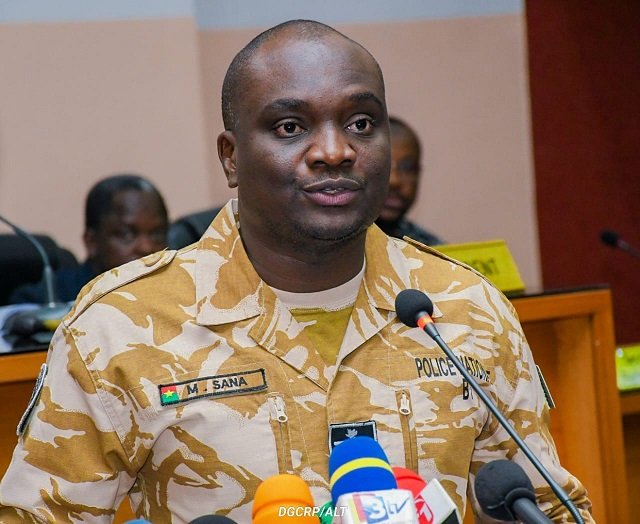
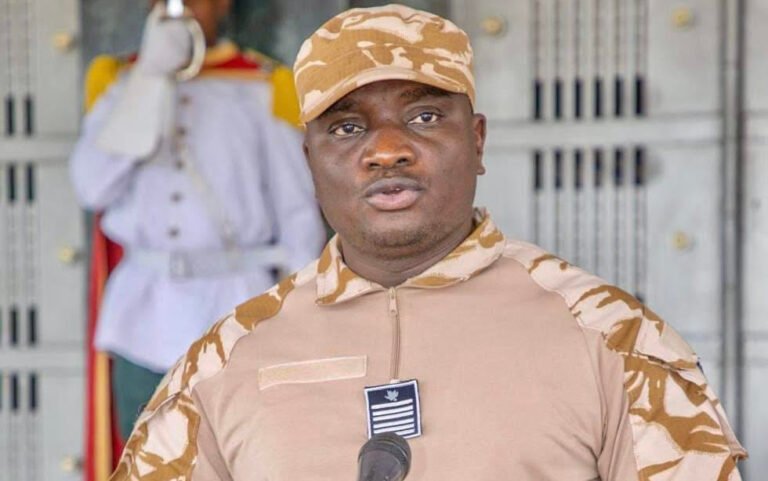
Burkina Faso’s Security Minister, Mahamadou Sana, during a visit to Bamako on November 4, praised “the hospitality of the Malian people” and expressed “the gratitude of the Burkinabe authorities.”
President Ibrahim Traoré himself made a point of thanking his counterpart Assimi Goïta “for the fraternal and warm welcome” given to his compatriots, according to the joint communiqué issued after the Malian leader’s visit to Ouagadougou.
It is no coincidence that this outpouring of generosity comes at a time when relations between Ouagadougou and Bamako have never been so close. The two capitals sealed their alliance within the AES, share a common vision of sovereignty and security cooperation.
But theory is not enough. A test was needed to verify whether words translated into deeds. That test, Mali has passed with a dignity that commands respect.
One might object that Mali also had an interest: to relieve pressure on Bamako, to avoid a humanitarian crisis on its soil. True. But the essential lies elsewhere. In a Sahelian space where borders are often synonymous with harassment and rejection, seeing a state open its doors wide, treat, feed, and transport tens of thousands of foreigners in distress reflects a conception of fraternity that deserves to be highlighted.
Relations between the Malian people and the Burkinabè people are rooted in a shared history, from village solidarities to common struggles for dignity. What Bamako has just done is simply to honor that history. And it is precisely because it is rare that it deserved to be said.
Lookman DONGO
À propos de l'auteur