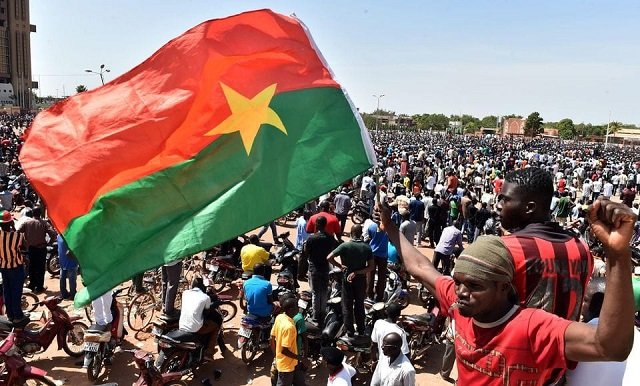

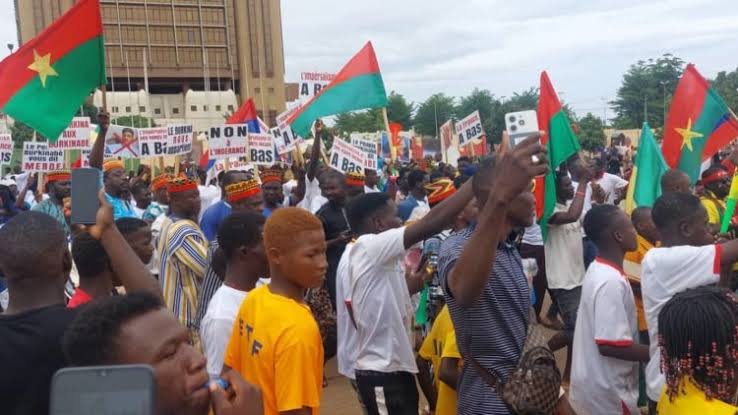
In a country going through hardship, every citizen has the right to think, to criticize, and to make proposals. But there comes a moment when the nation can no longer afford to confuse diversity of opinion with the fragmentation of its people. Burkina Faso is moving toward a collective destiny in which the plurality of voices converges toward the unity of the homeland.
The nation rises above divisions, individual ambitions, and fleeting rivalries to place the higher interest of the territory at the center of every commitment.
This sacred land belongs to the entire people. The woman farmer in the field, the teacher in the classroom, the soldier on watch, the ambitious young person, and the daring entrepreneur shape the face of the country every day.
No group, no ethnic community, and no political circle holds a monopoly on this sovereign narrative.
Differences of analysis and personal paths enrich republican debate. Attachment to the Faso remains, however, the indissoluble bond that brings wills together in the face of contemporary challenges.
True patriotism is embodied in the constant pursuit of social cohesion and peace. Demanding criticism retains its legitimacy when it builds and preserves national dignity.
The erasure of confrontational discourse gives way to active and conscious solidarity. Today’s younger generations carry the torch of a lucid, proud commitment freed from fanaticism.
Building solid institutions and ensuring economic sovereignty require the constant devotion of every son and daughter of the nation.
The quest for a future under control brings together energies from Ouagadougou to the country’s borders. The paths taken vary according to sensibilities, but the destination remains unwavering: a united, sovereign, and prosperous Burkina Faso.
The homeland requires conscious citizens, capable of placing the common good above frustrations and partisan calculations.
History will remember this historic momentum of a united people, standing tall and masters of their own progress under the same banner of freedom.
Michel GABIAM
À propos de l'auteur