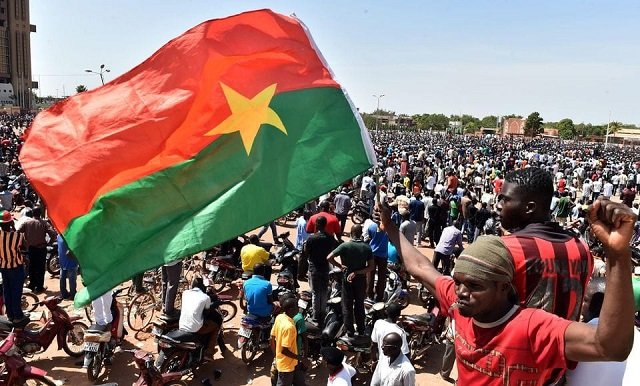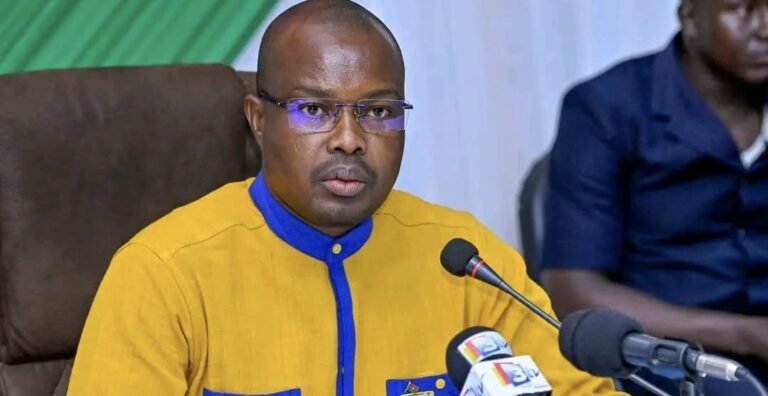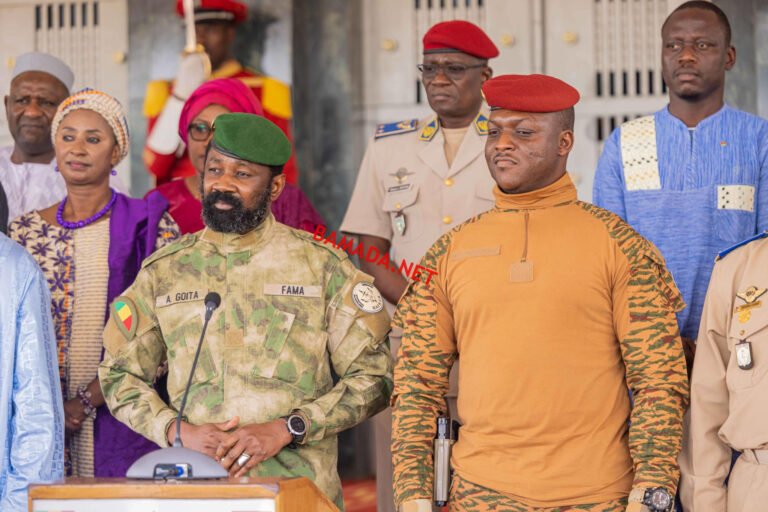

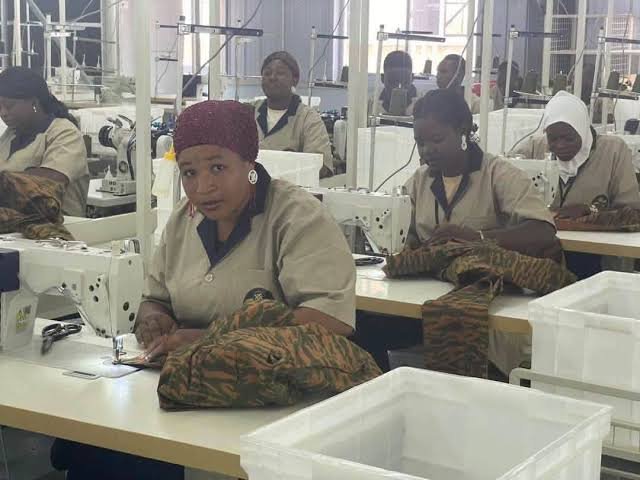
Faced with economic dependencies inherited from the past and external influences, Burkina Faso intends to regain control of its destiny. Under the leadership of Captain Ibrahim Traoré, the country has launched a transformation dynamic based on mobilizing national resources, developing human potential, and strengthening local production. This strategic direction places economic sovereignty at the heart of the national development project.
Agriculture is one of the main pillars of this ambition. Through the Presidential Initiative for Agricultural Production and Food Self-Sufficiency (IP-P3A), the Burkinabè authorities aim to gradually reduce dependence on food imports. The results recorded reflect this commitment.
In May 2026, the initiative’s coordination handed over 2,500 tonnes of rice to the National Food Security Stock Management Company, out of total production of 14,800 tonnes achieved under the program.
These results demonstrate the possibilities offered by a better-structured agricultural sector supported by a proactive policy.
Young people also occupy a central place in this strategy. A total of 8,000 young people aged 18 to 40 were trained as agricultural Volunteers for the Defense of the Fatherland (VDP).
They received training notably in modern agricultural techniques, entrepreneurship, and patriotism. More than 4,335 hectares were also mobilized for their activities, exceeding initial forecasts.
This initiative aims to make young people a major actor in food security and the transformation of rural areas.
Beyond production, industrialization represents another essential lever. The inauguration of the AGROSERV INDUSTRIE agro-industrial complex in Banankélédaga illustrates this direction.
Valued at 11 billion CFA francs, this infrastructure has a processing capacity of 160 tonnes of maize per day. It contributes to adding value to national raw materials, creating jobs, and reducing imports.
Thus, Burkina Faso is relying on its internal capacities to build a more autonomous economy.
Under the leadership of Captain Ibrahim Traoré, economic sovereignty is presented as a long-term undertaking, whose success will depend on the continuity of investments, popular mobilization, and the sustainable transformation of the country’s national potential.
Lookman DONGO
À propos de l'auteur