

Gabon is stepping up efforts to regulate its gold sector after withdrawing dozens of mining permits. The government aims to improve production oversight and ensure more gold enters official trading channels.
Last week, the Ministry of Mines announced the withdrawal of 52 mining titles following an audit launched in late June. The operation, completed on October 16, could allow the state to reallocate certain concessions and strengthen the role of the state-owned Société Équatoriale des Mines (SEM).
The decision follows a June suspension of small-scale gold mining activities after authorities dismantled an illegal mining network in Ngounié province. However, withdrawn permits cannot automatically be reassigned, as legal appeals and regulatory deadlines may delay the process.
Informal Gold Trading Remains a Challenge
Meanwhile, authorities are targeting illegal extraction and companies allegedly operating beyond the scope of their permits. Mines Minister Sosthène Nguema Nguema has criticized operators who reportedly extract gold under research permits without paying the required taxes.
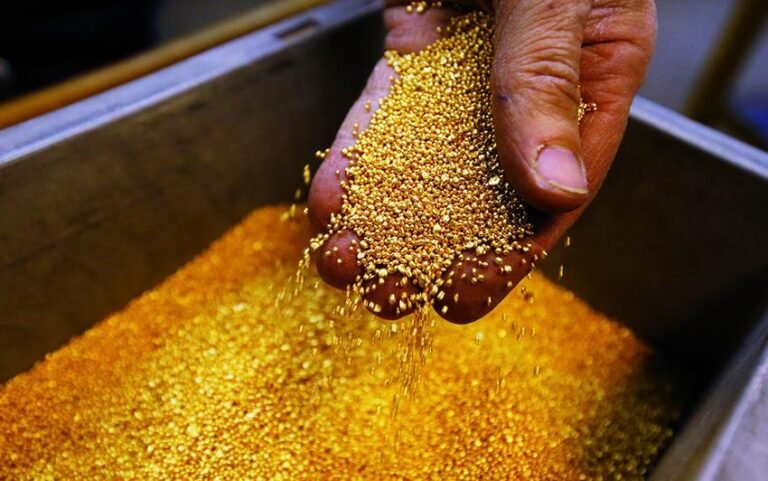
Official production remains limited. According to the Extractive Industries Transparency Initiative (EITI), Gabon produced 425 kilograms of gold in 2023. Swiss organization SWISSAID estimated informal production at between one and two tonnes annually in 2024.
In June, authorities also cited estimated annual losses of nearly 75 billion CFA francs, or $127 million, linked to illegal gold trading.
Strengthening Official Gold Channels
Furthermore, Gabon plans to channel domestic gold production through its refinery and authorized purchasing centres. The refinery reportedly has an annual capacity of seven to ten tonnes, although actual national production remains uncertain.
The government also intends to expand SEM’s role in managing mining concessions. However, formalizing the sector will require effective monitoring, competitive prices for producers and reliable payment systems.
Ultimately, Gabon’s reforms seek to capture more revenue from gold, particularly as international prices remain high. Their success will depend on whether official channels can compete with informal trading networks.
À propos de l'auteur