
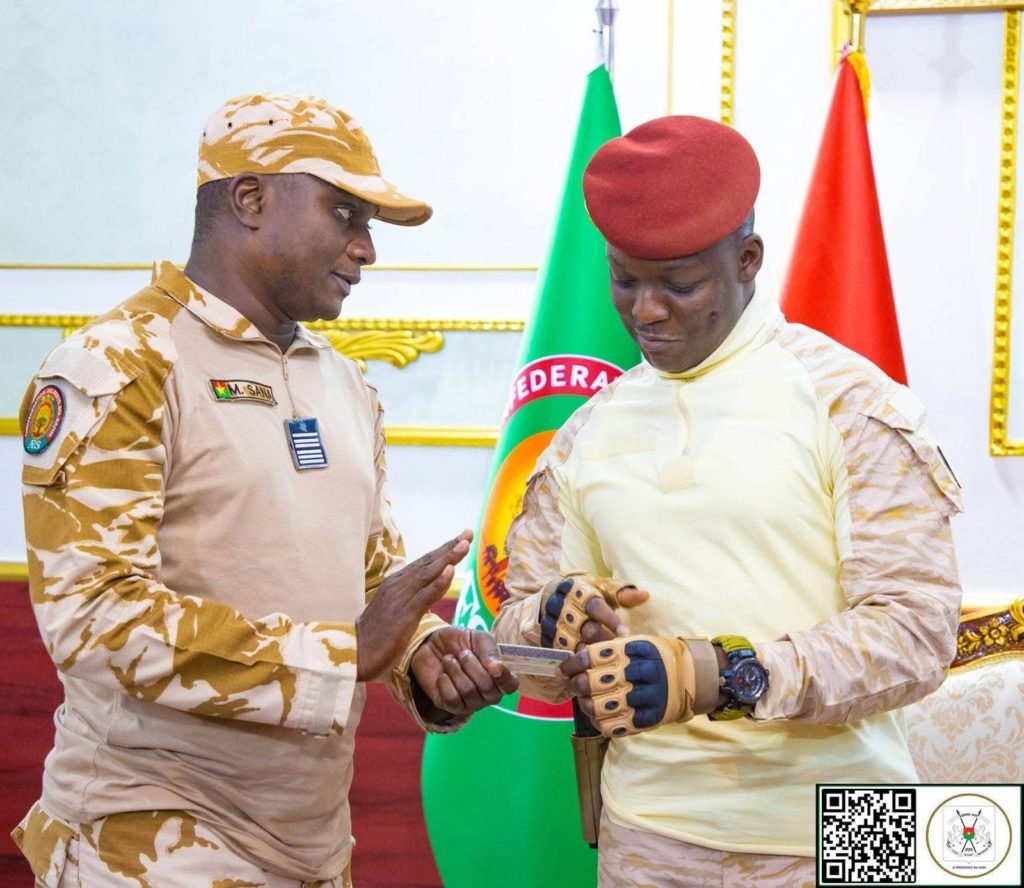
In the halls of the Ouaga 2000 Congress Center, a decisive page in Burkina Faso’s institutional history is about to be turned. This Wednesday, November 11, marks far more than a simple administrative appointment: it is the founding act of a profound transformation of the modernized State.
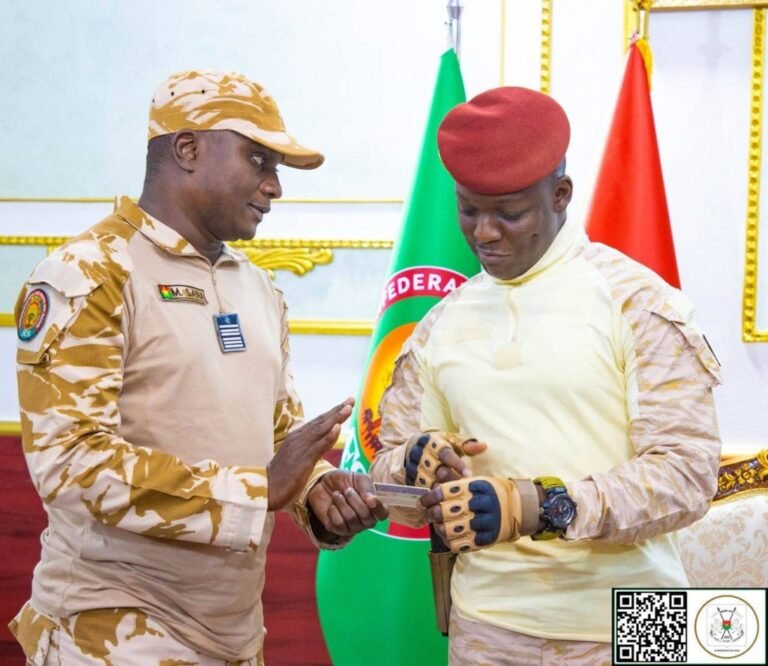
Under the impetus of Captain Ibrahim Traoré, the official launch of mass enrollment in the National Unique Identification Register embodies a bold vision in which technology becomes the instrument of social justice and national sovereignty.
For too long, the lack of central identification has constituted an invisible barrier between citizens and their fundamental rights. Giving every Burkinabe a unique digital identity means definitively breaking that divide.
This initiative redefines the relationship between the administration and those it governs by bringing transparency, speed, and unprecedented equity to access to essential public services.
Whether in health, education, or social benefits, each individual becomes a fully recognized actor in the nation’s trajectory.
Strategically, this transformation is part of a broader dynamic of refoundation. By equipping itself with such a modern governance tool, the government demonstrates that a resilient State is built first on mastery of its fundamental structures.
The digitization of civil registration is no longer a technical option, but a powerful political lever to secure the territory, optimize economic planning, and restore citizen confidence.
The Africa that is moving forward is the one that takes ownership of contemporary tools to strengthen its autonomy, and Burkina Faso is positioning itself here as a pioneer.
The event planned this Wednesday at Ouaga 2000 thus carries major symbolic weight. It embodies the momentum of a country that refuses the status quo and bets on full-scale modernization.
By placing people at the center of this digital infrastructure, the current leadership affirms its determination to build an administration that is efficient, fluid, and close to the daily realities of every household.
This November 11 opens a new era in which Burkinabe citizenship gains in precision, dignity, and strength.
Through this unique register, the Faso is not merely recording names: it is consolidating the foundation of a united, structured nation resolutely turned toward the future.
Lookman DONGO
À propos de l'auteur