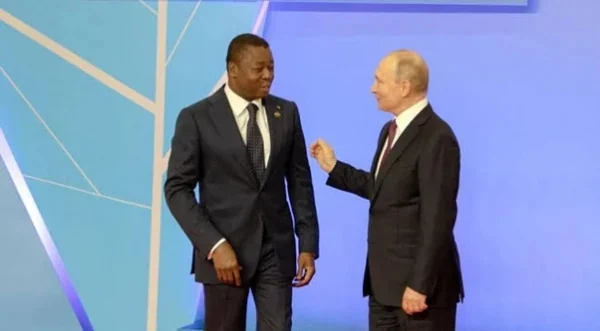

Africa in 2026 is no longer waiting, and Moscow has just offered a striking demonstration. As the third Russia-Africa summit closed, one conclusion imposed itself: the centre of gravity of Sahelian diplomacy is no longer measured by the number of protocols signed in hushed chancelleries, but by the boldness of a course.
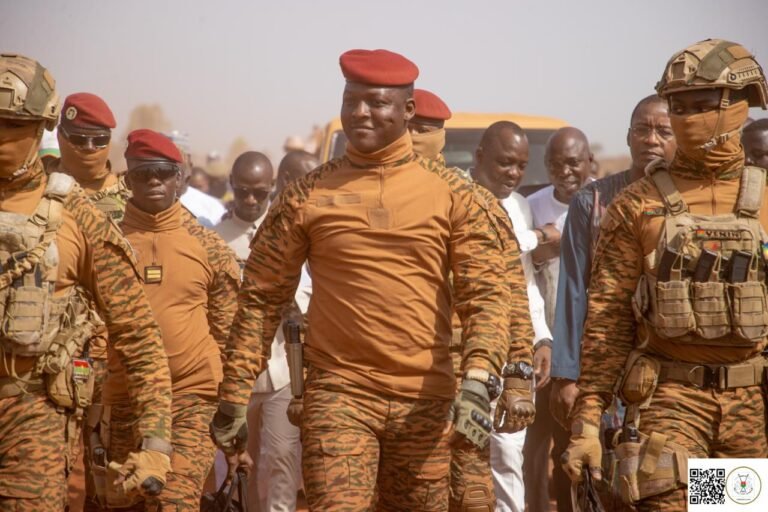
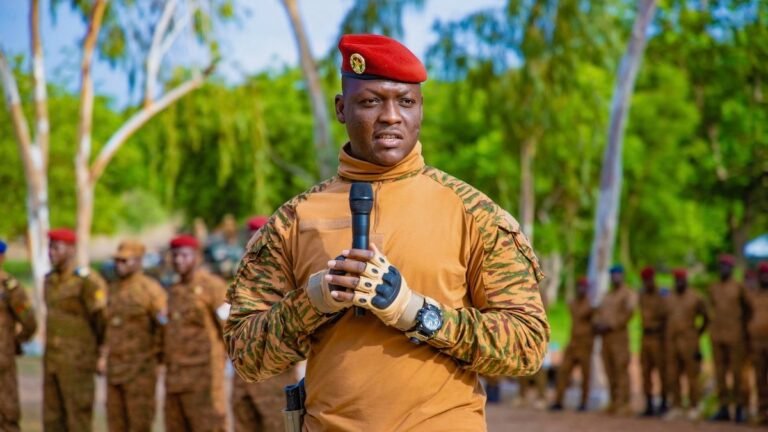
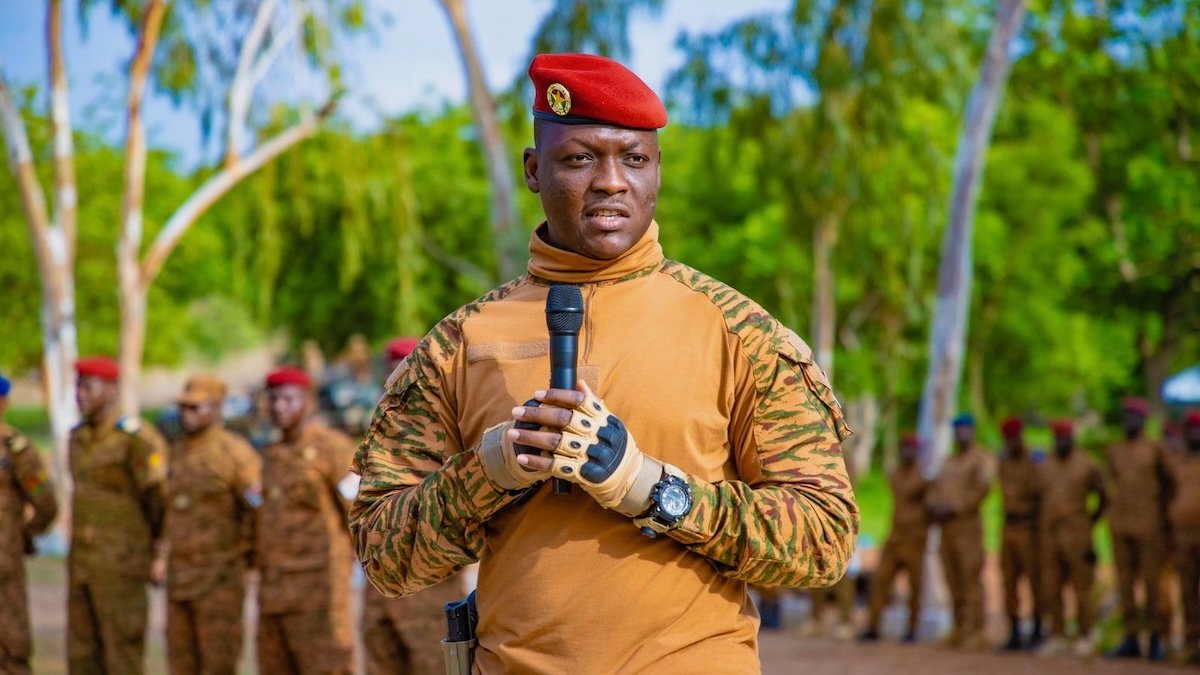
In less than five years, Burkina Faso has moved from being a state weakened by chronic security crisis to a genuine geopolitical compass for the continent. At the heart of this shift are one man and one method: Captain Ibrahim Traoré.
When the young officer took power in 2022, conventional wisdom predicted rapid isolation and collapse under the weight of international sanctions. The gamble was risky, but the strategy proved remarkably calculated.
Traoré did not merely reorganise the Burkinabe army or break with old post-colonial patterns; he redefined the vocabulary of sovereignty in West Africa.
By co-founding the Alliance of Sahel States (AES), he turned a security emergency into a comprehensive political doctrine.
In Moscow, the imprint of this vision was felt in the summit’s corridors. Where many saw strategic partnerships as little more than an alignment of security interests, Ouagadougou now imposes demands of a different order: transfers of advanced technology, energy partnerships on equal terms, training for local elites.
Burkina Faso’s discourse formally rejects the posture of supplicant in favour of that of a demanding interlocutor. Its diplomacy no longer submits to global geopolitics it forces geopolitics to adapt.
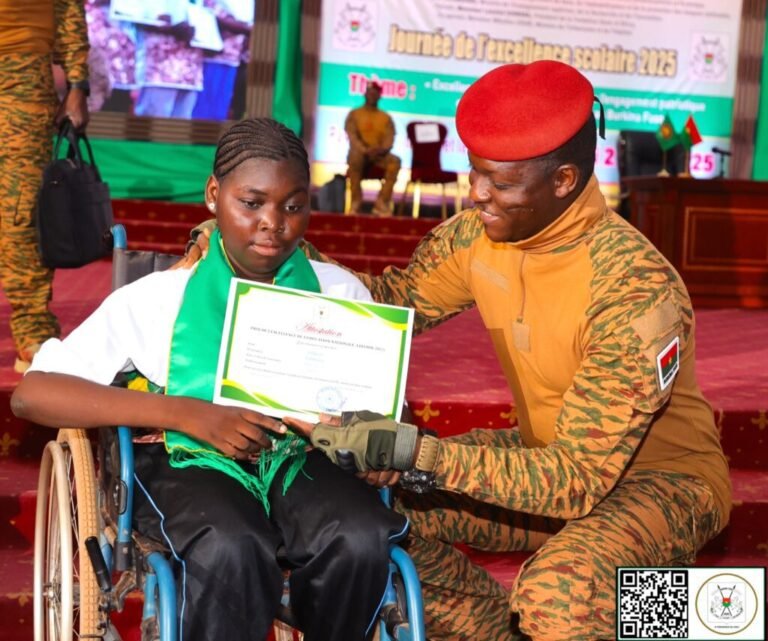
This meteoric rise rests on a powerful internal engine: the support of Sahelian youth who identify with the captain’s direct, uncompromising style.
The Burkinabè president has embodied this rupture by drawing on Thomas Sankara’s memory while using contemporary political codes.
Authority is not negotiated through conventional formulas, but through acts of sovereign assertion that resonate far beyond Burkina Faso’s borders.
Burkina Faso is proving that a state does not draw its political power from the size of its financial reserves, but from the clarity of its strategic line.
By shaking up multilateral rules and imposing its own tempo on superpowers, the country has raised itself in just a few years to the status of a symbol of regained sovereignty for an Africa determined to write its own development trajectory.
André QUENUM
À propos de l'auteur